!!install!! — Qc1051deu-x64.exe

Poetry of the mundane There’s a kind of poetry in these utilitarian names. They’re compact, unornamented, and utterly practical — the opposite of marketing copy that promises “seamless experiences” and “reimagined workflows.” Qc1051deu-x64.exe doesn’t sell itself with flashy words; it quietly communicates technical constraints and human compromises. It’s the epitome of form following function, and in that sense it’s beautiful.

The archaeology of updates In corporate IT and among power users, filenames like Qc1051deu-x64.exe are breadcrumbs. They let administrators catalog what was installed, when it likely arrived, and whether the right language and architecture were used. Over time, a folder full of versioned, locale-tagged installers becomes a tiny archive of an app’s evolution — a digital stratigraphy that tells the story of bug fixes, feature rollouts, and localization cycles. Qc1051deu-x64.exe

A cautionary appendix If you encounter this file and you don’t know where it came from, pause. Verify the source, check the certificate, and scan for malware. If it’s part of an official update from a vendor you trust, it’s a small cog in the vast machinery that keeps software usable across languages and platforms. If it’s unexpected, treat it with skepticism. Poetry of the mundane There’s a kind of

The geography of language The “deu” part opens a cultural door. German is a major language for desktop software distribution in Europe; localized installers reflect market priorities. Localized UIs, documentation, and support channels influence adoption. A filename like this suggests a product whose maintainers care about, or at least serve, German-speaking users — a reminder that software isn’t just global code, it’s a set of cultural accommodations. The archaeology of updates In corporate IT and

It starts innocuously enough — a filename you might catch in the bottom corner of a download window or tucked into a folder you only meant to clean up later: Qc1051deu-x64.exe. To most people, it’s nothing more than a string of letters and numbers. To the curious, it’s an entry point into stories about software culture, regional markets, installer habits, and the strange life cycle of digital artifacts. Here’s why that dull-looking filename deserves a second look.

Closing thought Files like Qc1051deu-x64.exe are the unsung infrastructure of everyday computing. They don’t live on billboards or keynote stages, but they determine whether a program runs in your language, on your machine, and in the version you expect. In the labyrinth of software delivery, such filenames are the map legends — terse, practical, and full of tiny stories for anyone willing to read them.

Trust, caution, and the user experience Filenames tell users something: who made the file, what it does, and whether it’s meant for their machine. But they can also be abused. Malicious actors mimic plausible names to trick people into running harmful code. “Qc1051deu-x64.exe” is a perfect example of why users should check digital signatures, publisher names, source URLs, and file hashes before clicking “Run.” The filename alone is insufficient; context matters: did it come from an official site, an email attachment, or a random mirror?
!!install!! — Qc1051deu-x64.exe

  • Play and organize music
  • Supports WAV, FLAC, WavPack, Ogg Vorbis, Speex, MPC, TrueAudio, AIFF, MP4, MP3, ASF and Monkey's Audio
  • Audio CD playback [*]
  • Native desktop notifications
  • Playlist management and playlists in multiple formats
  • Smart and dynamic playlists
  • Advanced audio output and device configuration for bit-perfect playback on Linux
  • Edit tags on audio files
  • Automatically retrieve tags from MusicBrainz
  • Album cover art from Last.fm, Musicbrainz, Discogs, Musixmatch, Deezer, Tidal and Spotify
  • Lyrics from multiple sources
  • Audio analyzer
  • Audio equalizer
  • Transfer music to mass-storage USB players, MTP compatible devices and iPod Nano/Classic [*]
  • Scrobbler with support for Last.fm and ListenBrainz
  • Streaming support for Subsonic-compatible servers

* Audio CD and device support is not available on Windows.

!!install!! — Qc1051deu-x64.exe

Strawberry is a music player and music collection organizer. It is aimed at music collectors and audiophiles. With Strawberry you can play and manage your digital music collection, or stream your favorite radios. Strawberry is free software released under GPL. The source code is available on GitHub. Strawberry is a fork of Clementine. It's written in C++ using the Qt framework and GStreamer.

!!install!! — Qc1051deu-x64.exe

If you enjoy Strawberry, please consider sponsoring the project.
Strawberry is free software, as in freedom, and depends on donations from our users. There are few developers, and most of the development is done by one person. Strawberry has become very popular over the past few years with hundreds of users. Maintaining the application, running all the services, providing releases and dealing with bugs and technical issues is a time-consuming job.

There are currently 4 options for sponsorship:

Monthly donations through Patreon, Ko-fi or GitHub is preferred, but it is also possible to donate once using PayPal.

!!install!! — Qc1051deu-x64.exe

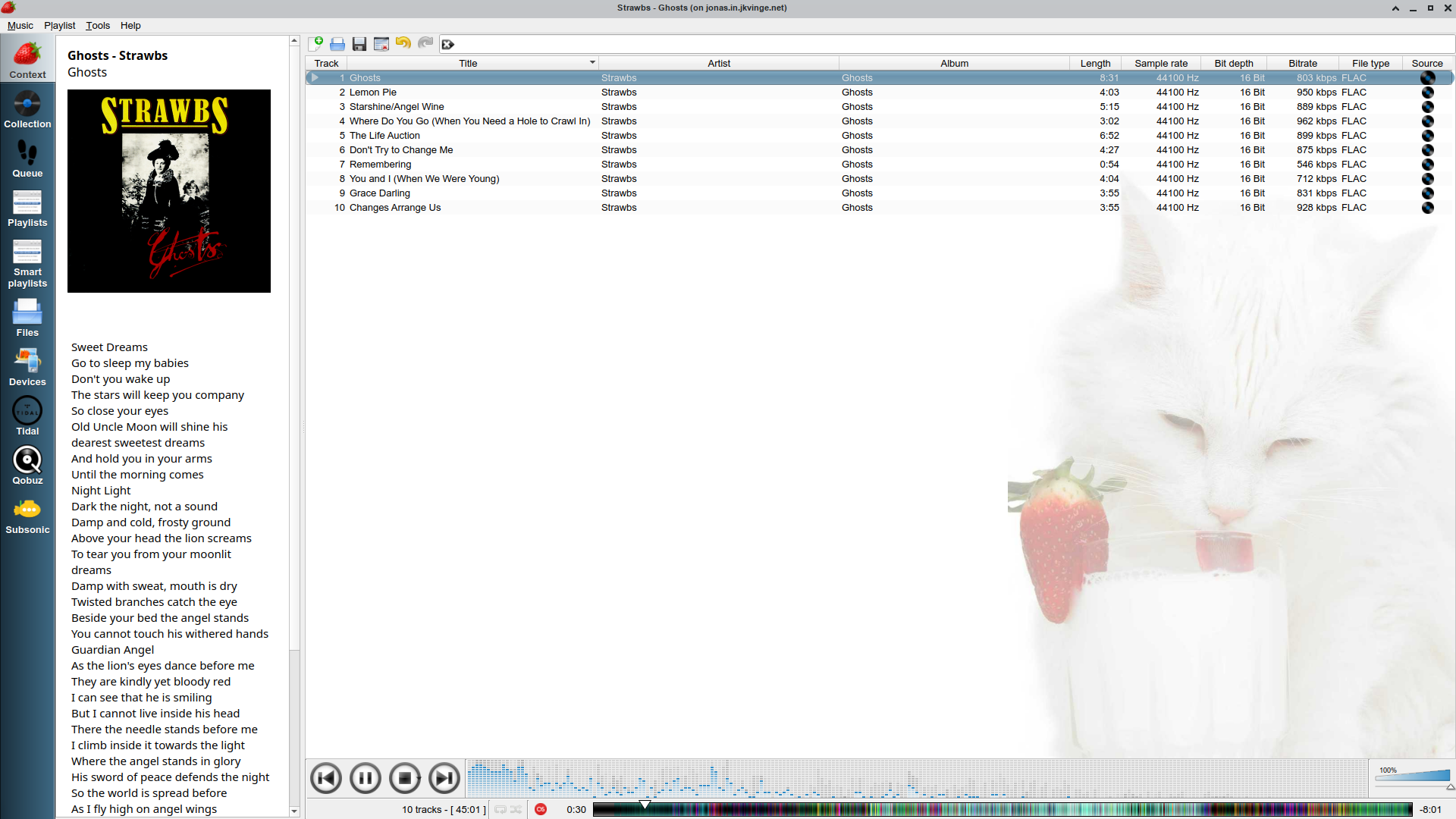
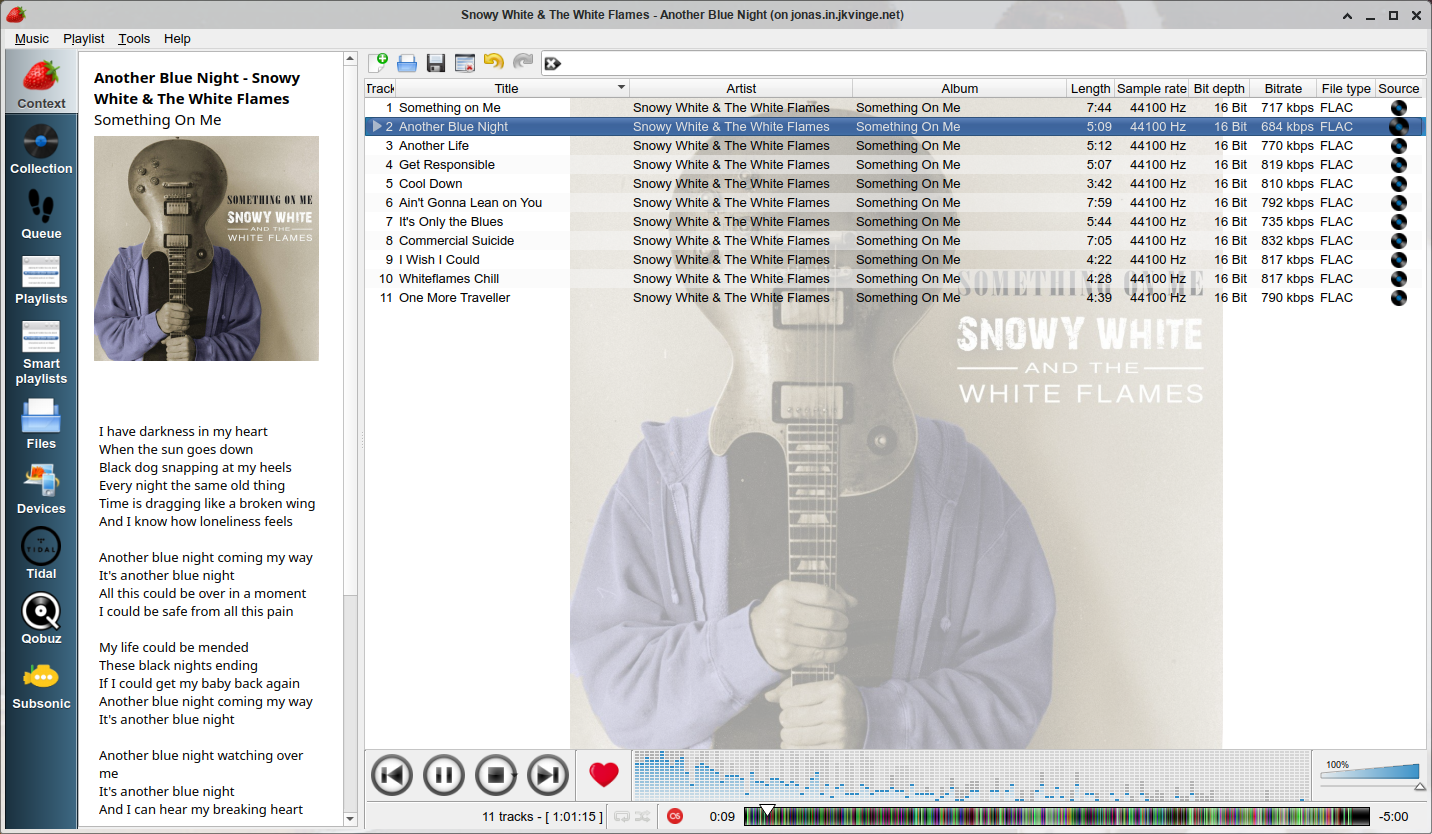
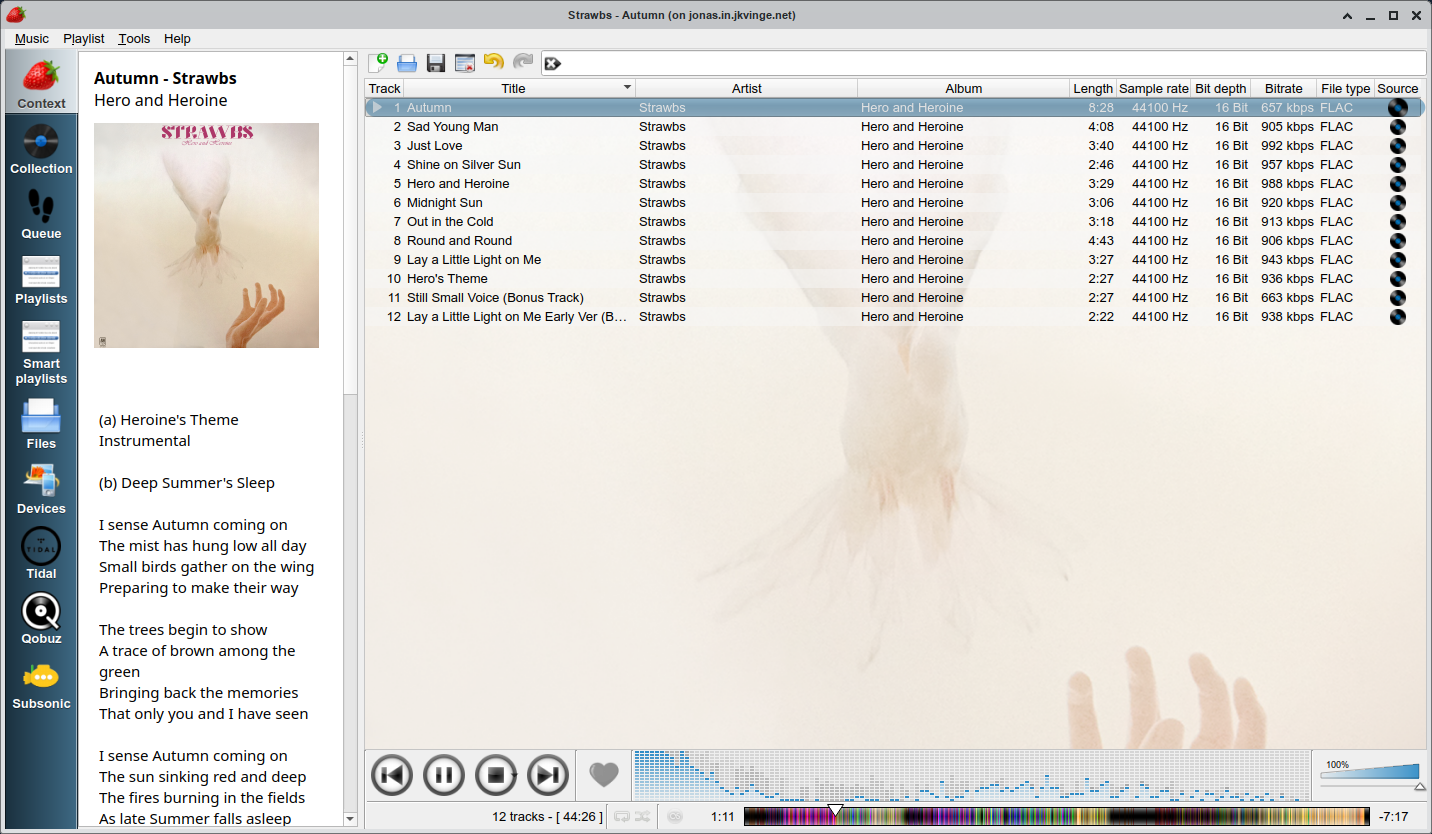
Main player window showing song playing with lyrics.

Main player window showing song playing with lyrics.

Fullscreen player window.

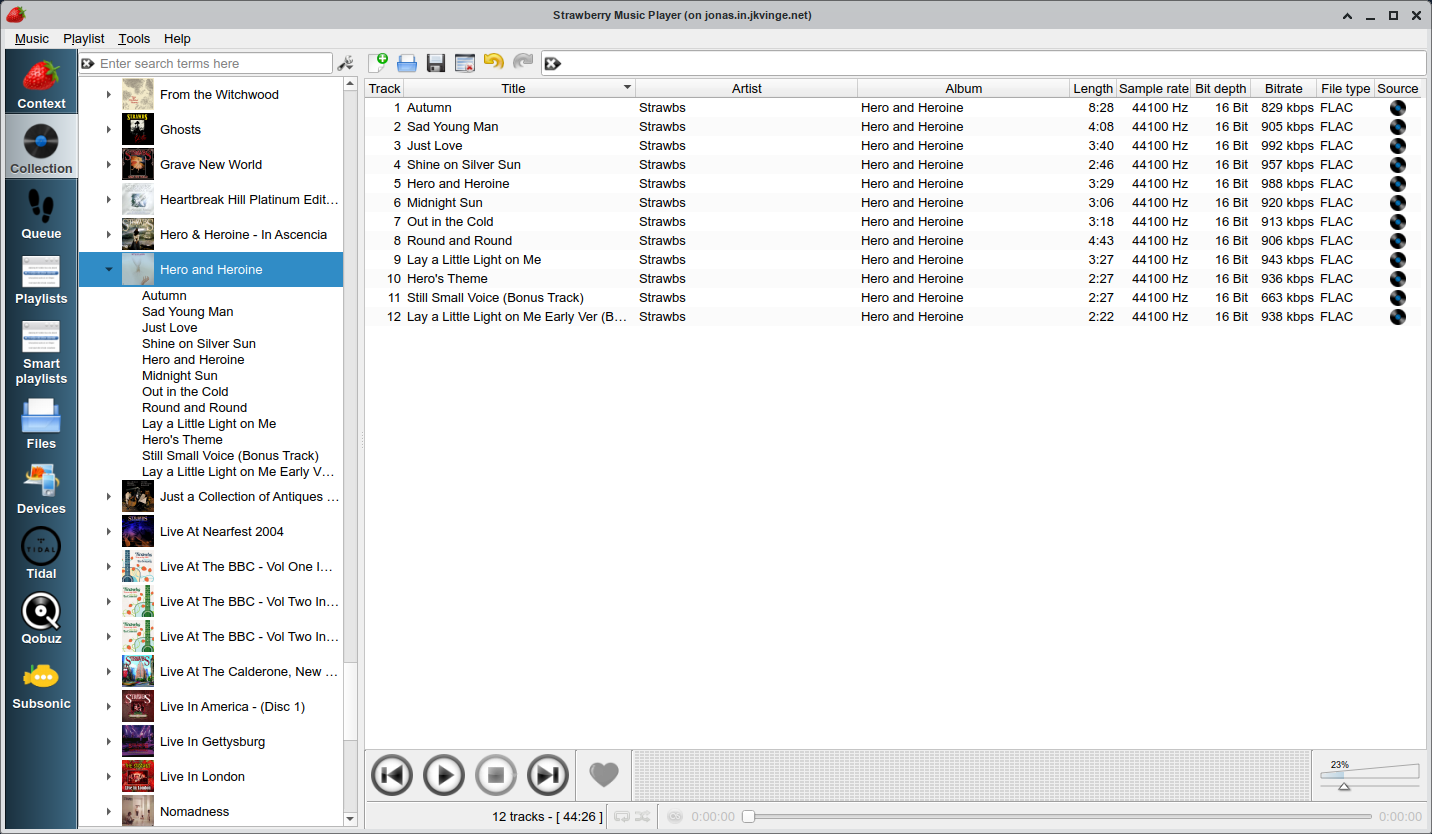
Collection view.

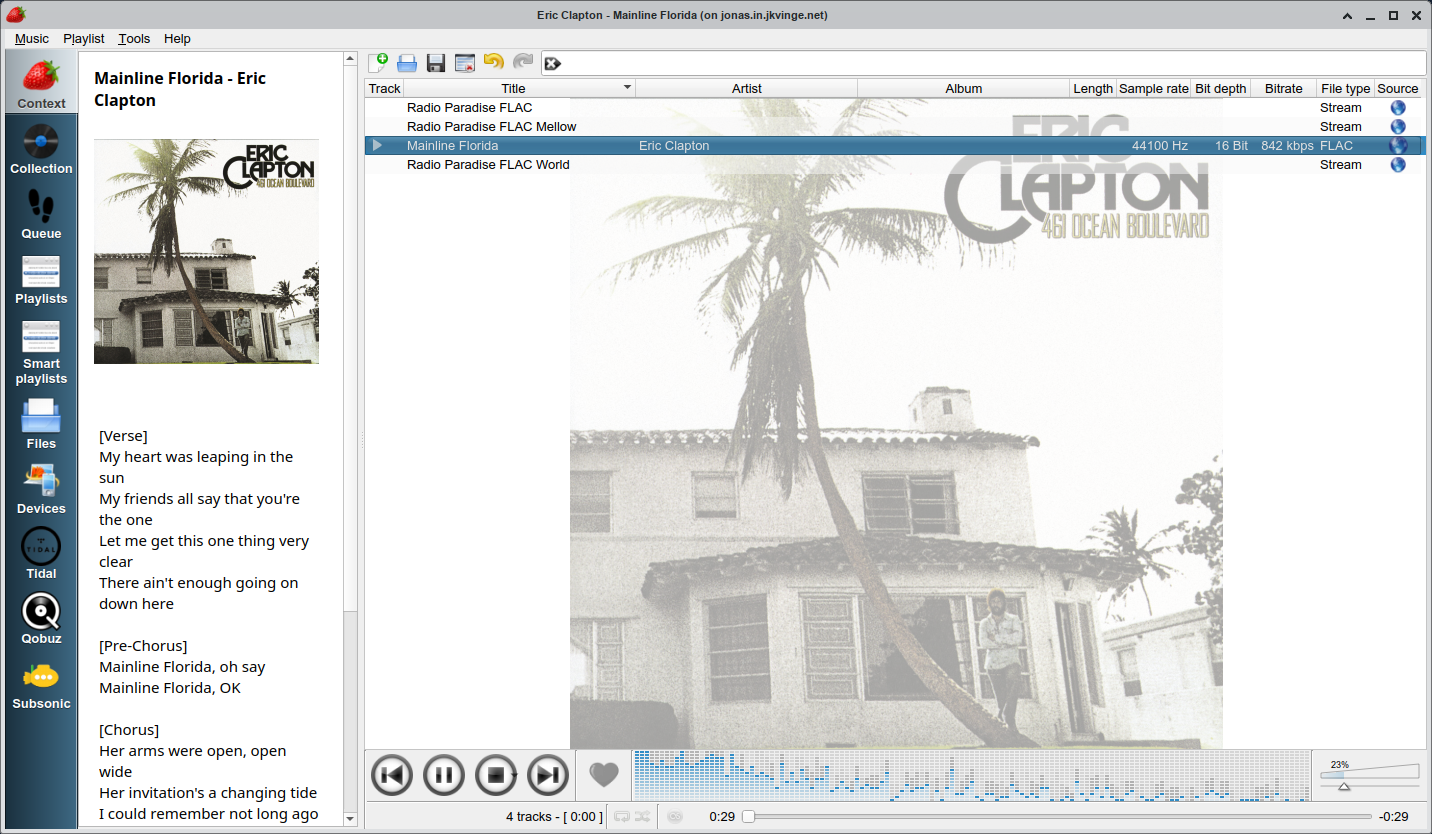
Streaming from Radio Paradise.

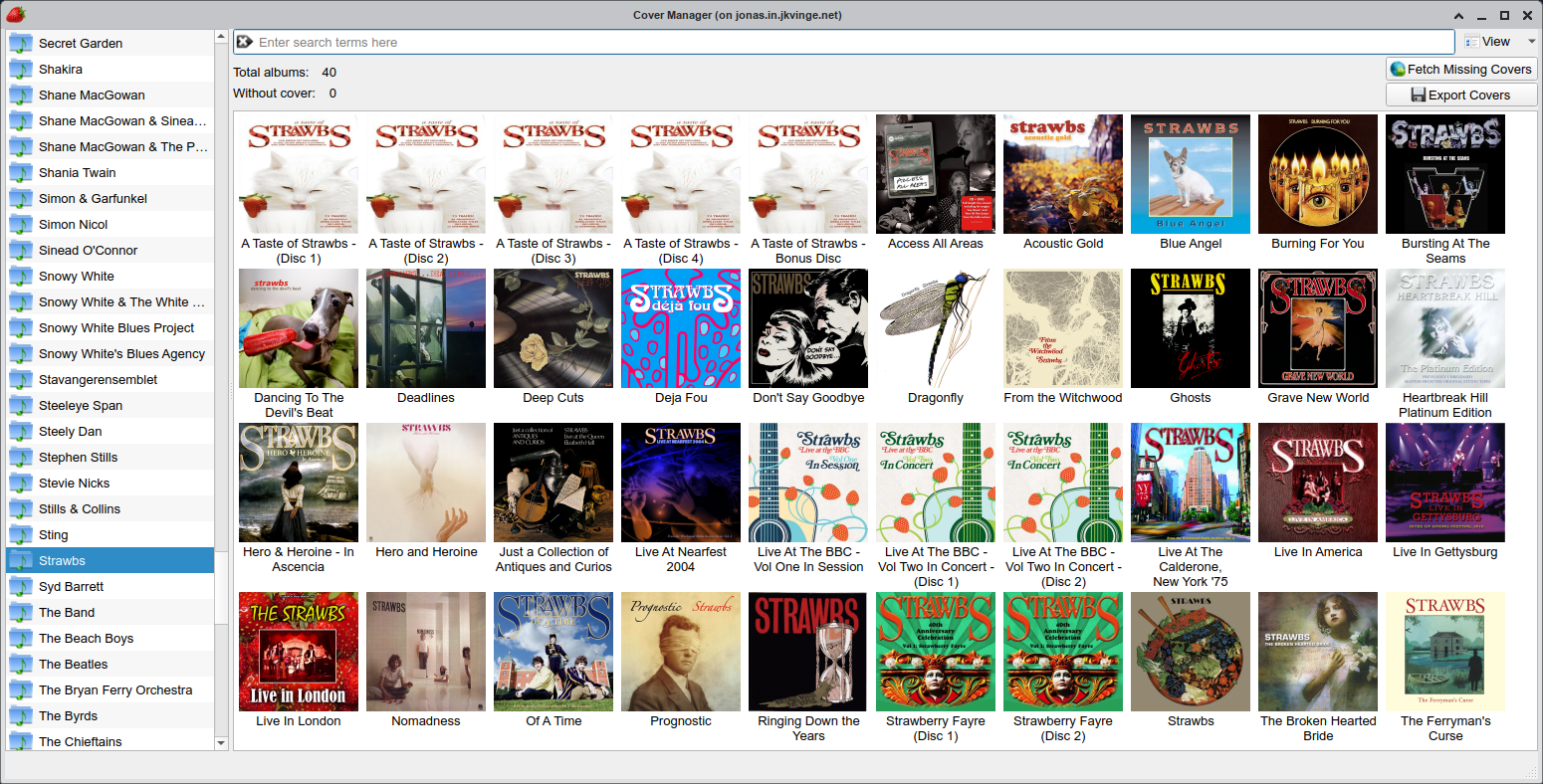
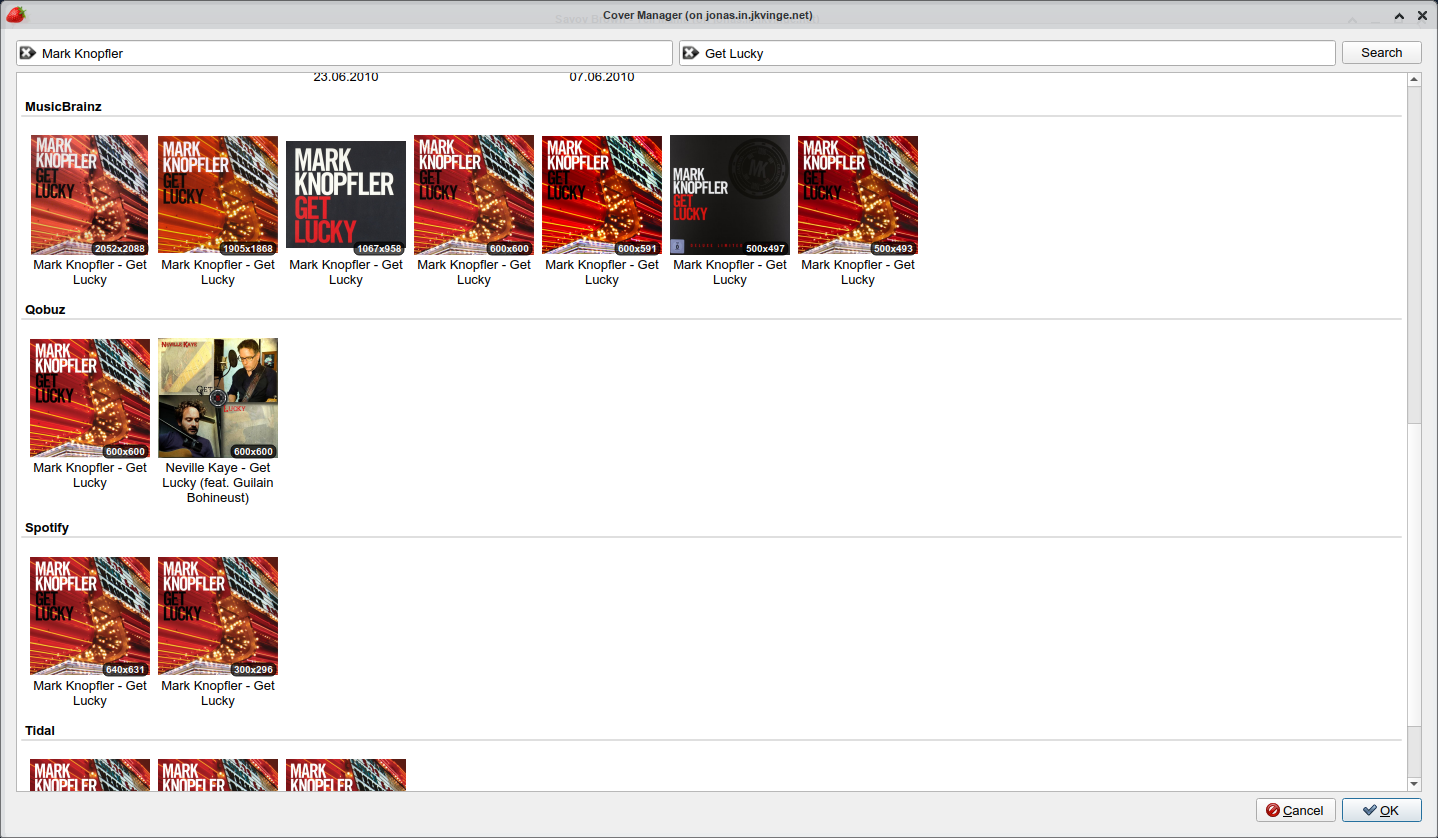
Album Cover manager, easily get covers for all of your albums.

Manual cover search.

Poetry of the mundane There’s a kind of poetry in these utilitarian names. They’re compact, unornamented, and utterly practical — the opposite of marketing copy that promises “seamless experiences” and “reimagined workflows.” Qc1051deu-x64.exe doesn’t sell itself with flashy words; it quietly communicates technical constraints and human compromises. It’s the epitome of form following function, and in that sense it’s beautiful.

The archaeology of updates In corporate IT and among power users, filenames like Qc1051deu-x64.exe are breadcrumbs. They let administrators catalog what was installed, when it likely arrived, and whether the right language and architecture were used. Over time, a folder full of versioned, locale-tagged installers becomes a tiny archive of an app’s evolution — a digital stratigraphy that tells the story of bug fixes, feature rollouts, and localization cycles.

A cautionary appendix If you encounter this file and you don’t know where it came from, pause. Verify the source, check the certificate, and scan for malware. If it’s part of an official update from a vendor you trust, it’s a small cog in the vast machinery that keeps software usable across languages and platforms. If it’s unexpected, treat it with skepticism.

The geography of language The “deu” part opens a cultural door. German is a major language for desktop software distribution in Europe; localized installers reflect market priorities. Localized UIs, documentation, and support channels influence adoption. A filename like this suggests a product whose maintainers care about, or at least serve, German-speaking users — a reminder that software isn’t just global code, it’s a set of cultural accommodations.

It starts innocuously enough — a filename you might catch in the bottom corner of a download window or tucked into a folder you only meant to clean up later: Qc1051deu-x64.exe. To most people, it’s nothing more than a string of letters and numbers. To the curious, it’s an entry point into stories about software culture, regional markets, installer habits, and the strange life cycle of digital artifacts. Here’s why that dull-looking filename deserves a second look.

Closing thought Files like Qc1051deu-x64.exe are the unsung infrastructure of everyday computing. They don’t live on billboards or keynote stages, but they determine whether a program runs in your language, on your machine, and in the version you expect. In the labyrinth of software delivery, such filenames are the map legends — terse, practical, and full of tiny stories for anyone willing to read them.

Trust, caution, and the user experience Filenames tell users something: who made the file, what it does, and whether it’s meant for their machine. But they can also be abused. Malicious actors mimic plausible names to trick people into running harmful code. “Qc1051deu-x64.exe” is a perfect example of why users should check digital signatures, publisher names, source URLs, and file hashes before clicking “Run.” The filename alone is insufficient; context matters: did it come from an official site, an email attachment, or a random mirror?