Pkg Rap Files Ps3 Top |work|
Safe, unlimited, and free VPN service. Change your IP address with free VPN
 DOWNLOAD NOW
Safe, unlimited, and free VPN service. Change your IP address with free VPN
DOWNLOAD NOW
Secure, unlimited, and free VPN service. Change your IP addresss with a free VPN.
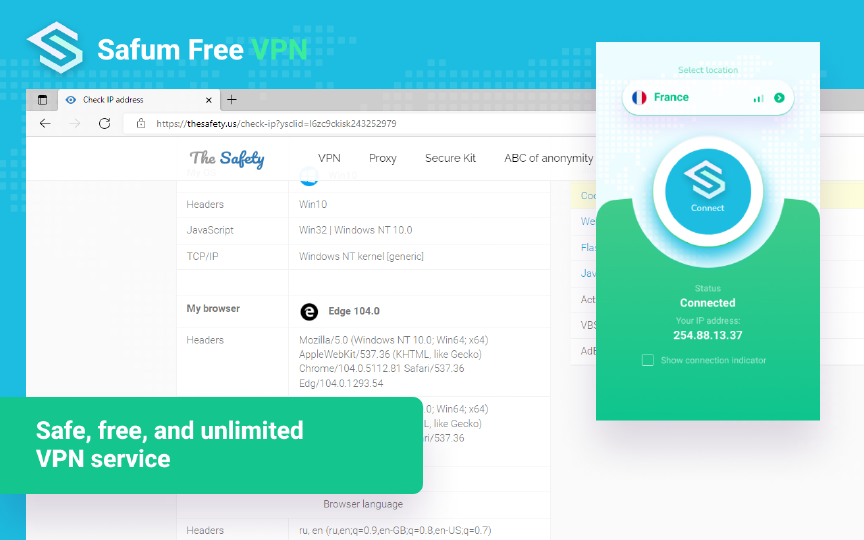
The Safum Free VPN service allows you to change your IP address.
You can unblock geo-restricted websites and gain access to blocked websites.
Features:
 DOWNLOAD NOW
Download and install the extension using the button below.
Steps:
Select a country and click the “Connect” button.
If some country doesn’t work - switch to another one.
With our VPN service, you can access blocked sites. Just download and activate the service and surf websites without restrictions.
Free. No trial. No registration. No ads. Unlimited. No session, speed or bandwidth restrictions.
There are many countries in the VPN service that the user can connect to.

Safum Free VPN for Chrome is available in Chrome Web Store

Safum Free VPN for Edge is available in the Edge Add-ons marketplace.
I’d collected .pkg files for years — retail games, demos, old PSN exclusives — but the .raps were less visible, often lost when an account changed hands, or vanished when servers went dark. The PlayStation Network’s shifting sands had orphaned entire swathes of software. This had made .rap files into artifacts: traces of ownership, tiny proof tokens that could resurrect a package or leave it inert forever.
But resurrection carries responsibility. The top of my digital stack was fragile; the more I consolidated packages and their matching .raps, the more the archive demanded care. I set up redundancy: two offline drives, a cold backup in an external safe, metadata exported in text files to guard against future format rot. I wrote notes in a log: “pkg: titleID 0x1234abcd — rap sourced from mirror, validated 2026-03-23.” Dates mattered in a way dates rarely did in gaming; they tied a file to a moment when it was provably accessible. pkg rap files ps3 top
The hunt for .raps had its rituals. Sometimes they were embedded in backups from old firmware versions. Sometimes they were extracted from internal databases saved by homebrew tools using the console’s debug or developmental interfaces. Other times they slipped out in archive dumps from abandoned servers. Friends and acquaintances traded them like rare stamps, each .rap a tiny elliptical echo of an account that at some point had told Sony, “I own this.” I’d collected
It’s tempting to think of the “top” as a summit — the final package, the perfect archive. But the top of a stack is also a vantage point. From there you see how fragile digital ownership can be and how the smallest files — a label, a token, a line of metadata — exert outsized influence over whether a piece of culture survives. In the end, pkg files and rap files aren’t just technical artifacts; they are small agreements between creators, platforms, and players. Preserving them is less about possession and more about memory: making sure the next player, the next archivist, can stand at the same little peak and see what we saw. But resurrection carries responsibility
I had first read about .pkg files like a cryptic whisper in an underground forum: payload containers used by the PS3’s system software and PlayStation Store, vessels for games, themes, patches. They carried with them, often sealed, a rap file — the .rap — a small, crucial companion. The .rap was a cryptographic handshake: a license token that told a console, “this package is for you.” Without it, a package could be a dead letter. With it, the PS3 would accept and install the payload, integrating it into its protected world.
Tonight I stood at that intersection. On-screen, a terminal window displayed a simple tree of files: game.pkg, game.rap.missing, LICENSE.TXT, README.md. Below it, a script I'd written in fits of stubbornness. It tried, politely, to brute-force what could not be brute-forced: a way to reconcile orphaned .pkg packages with licenses the system would accept. There were legitimate reasons — archival preservation, personal backups for games I’d purchased long ago — and there were legal and ethical shadows I did not step past.
At 3:12 a.m., I had a breakthrough. A forum post I’d circled months ago — a throwaway mention of a mirrored license server from a developer who had moved on to other projects — contained enough clues to reconstruct a missing .rap’s header. It wasn’t a forgery; it was a reconstruction based on public keys and a set of legitimate match-ups. The script accepted it and calculated a signature that aligned with the .pkg’s content ID. I copied the newly forged-—no, reconstructed—.rap into the thumb drive’s special folder. The PS3’s installer recognized the package. Heart beating a little too fast for the hour, I watched the progress bar inch across the screen.