Open Nudism

Well done is better than well said.

Open Nudism

The concept of nudism dates back to ancient civilizations, where nudity was a common practice in art, literature, and everyday life. However, the modern nudist movement began to take shape in the early 20th century, particularly in Europe and North America. The first nudist resort was established in Germany in 1894, and the movement quickly spread to other parts of the world.

Open nudism, also known as naturism or nudism, is a lifestyle choice that involves embracing nudity in a social setting, often in designated areas such as beaches, resorts, or private properties. The movement has gained popularity over the years, with many individuals and families adopting it as a way of life. In this article, we will explore the concept of open nudism, its history, benefits, and challenges, as well as address common misconceptions surrounding the lifestyle. open nudism

Open nudism is a lifestyle choice that offers numerous benefits, from increased body confidence and self-esteem to improved social connections and physical health. While the lifestyle still faces challenges and misconceptions, it is essential to approach the topic with an open mind and a willingness to learn. By understanding the history, benefits, and challenges of open nudism, individuals can make informed decisions about whether this lifestyle is right for them. Ultimately, open nudism is about embracing nudity in a social setting, promoting self-acceptance, and fostering a sense of community and connection. The concept of nudism dates back to ancient

In the 1920s and 1930s, nudism gained popularity in the United States, with the establishment of the first American nudist resort in 1933. However, it wasn't until the 1960s and 1970s that nudism began to gain mainstream acceptance, with the rise of the counterculture movement and the increasing awareness of the benefits of nudity. Open nudism, also known as naturism or nudism,

Open Nudism

Check your Facebook digital footprint
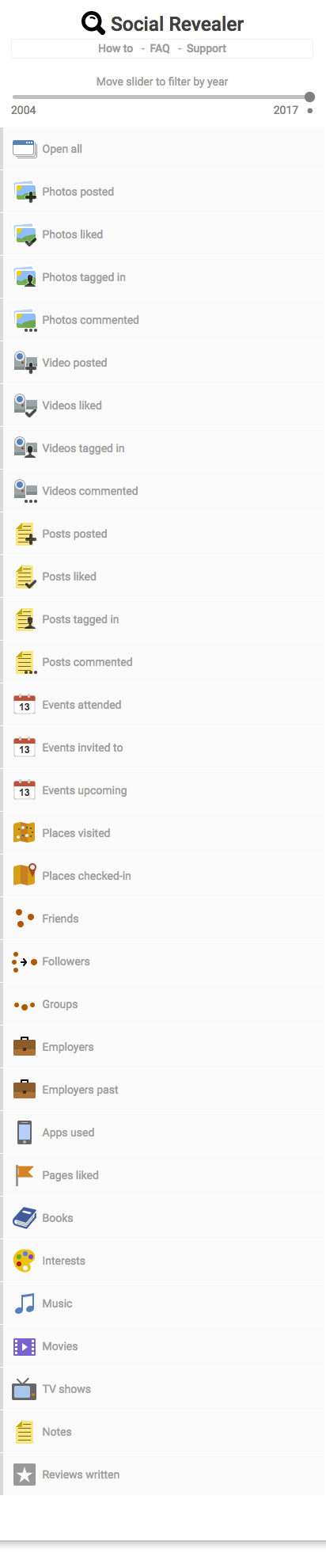
With Social Revealer you'll gain access to hidden parts of Facebook profiles. There's much more than presented on timeline…

🧑🏻‍💻 Developer note

Facebook is gradually switching off its search endpoints Social Revealer depends on. Therefore some users might see "This page isn't available" on some searches. I'm working on a workaround/fix, please be patient.

🚀 Use cases

  • ⭐️ Take control of your profile privacy.
  • ⭐️ Show your share-everything friends what digital footprint they leave behind.
  • ⭐️ Even when somebody has a blank timeline there's still a lot of data that might be seen.

🚀 How does it work?

  • ⭐️ Social Revealer builds up special queries to get access to hidden parts of Facebook.
  • ⭐️ It works on your profile, your friends' profiles or anyone else's profiles.
  • ⭐️ All content you'll see is implicitly shared with you - just not visible.

🚀 Takeaway

  • ⭐️ It's wise to think twice before sharing, liking or commenting anything.

🚀 Features

  • ⭐️ Photos posted, liked
  • ⭐️ Video posted, liked
  • ⭐️ Videos liked
  • ⭐️ Events attended, invited to, in past
  • ⭐️ Places visited, checked-in
  • ⭐️ Friends, followers. groups
  • ⭐️ Employers current, past
  • ⭐️ Pages liked
  • ⭐️ Books, interests, music, movies, TV shows
  • ⭐️ Notes

🚀 Warranty/uncertainty of functionality

  • ⭐️ Social Revealer depends on functionalities of 3rd parties therefore there's no guarantee all features will work the same forever. Some features may be removed, some new ones added. At worst it's also possible all features will stop working.

✍🏻 User reviews

  • This is extension did exactly what it said it would do on the tin. Easily to navigate and use and totally accurate results. Well impressesed.
    — Gary Matthews
You can read more reviews on the reviews page.

📬 Any questions?

If you have any questions, comments, or feedback, feel free to contact me.

Other browser extensions

The concept of nudism dates back to ancient civilizations, where nudity was a common practice in art, literature, and everyday life. However, the modern nudist movement began to take shape in the early 20th century, particularly in Europe and North America. The first nudist resort was established in Germany in 1894, and the movement quickly spread to other parts of the world.

Open nudism, also known as naturism or nudism, is a lifestyle choice that involves embracing nudity in a social setting, often in designated areas such as beaches, resorts, or private properties. The movement has gained popularity over the years, with many individuals and families adopting it as a way of life. In this article, we will explore the concept of open nudism, its history, benefits, and challenges, as well as address common misconceptions surrounding the lifestyle.

Open nudism is a lifestyle choice that offers numerous benefits, from increased body confidence and self-esteem to improved social connections and physical health. While the lifestyle still faces challenges and misconceptions, it is essential to approach the topic with an open mind and a willingness to learn. By understanding the history, benefits, and challenges of open nudism, individuals can make informed decisions about whether this lifestyle is right for them. Ultimately, open nudism is about embracing nudity in a social setting, promoting self-acceptance, and fostering a sense of community and connection.

In the 1920s and 1930s, nudism gained popularity in the United States, with the establishment of the first American nudist resort in 1933. However, it wasn't until the 1960s and 1970s that nudism began to gain mainstream acceptance, with the rise of the counterculture movement and the increasing awareness of the benefits of nudity.