
The successor to csvjson is here: an AI agent that can convert your data to and from any format, securely.
Try it now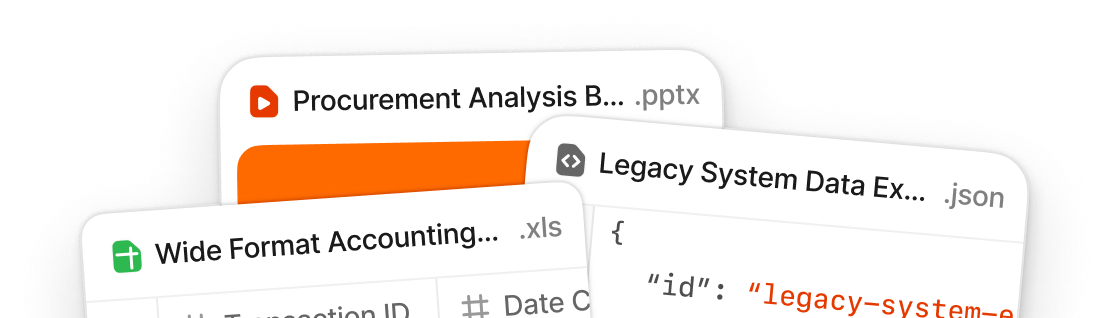
Csvjson helps you quickly convert popular data formats to the format you need. Data pasted and converted remains local on your computer.

CSV or Comma Separated Values is widely used for tabular data and often associated to spreadsheet applications like Excel.
Many data reporting tools output to CSV format.
JSON stands for JavaScript Object Notation and has become the defacto computer format readable by humans to store structured data.
From APIs to configuration files, JSON is now everywhere.
SQL stands for Structured Query Language and is the standard language for relational database management systems.
SQL is one of the most-used languages in the tech industry.
Technical complexity compounds the issue. Camera access depends on multiple layers: browser permissions, operating-system privacy settings, physical connections, device drivers, and sometimes the camera’s own activation light or firmware. Any failure along this stack can generate the same basic message: blocked. Diagnosing the cause requires a hybrid literacy that blends user intuition (toggle settings, test in another app) with a willingness to troubleshoot deeper (update drivers, examine group policies, inspect browser extensions). For many users, this is an unwelcome demand — an expectation that a meeting should begin without a 10-minute detour into system preferences.
The social dynamics of a blocked camera are striking. Video calls have shifted norms around presence: eye contact, facial expressions, and visual cues now substitute for in-person intimacy. When a participant’s camera fails, the meeting loses an axis of communication. Others may wonder whether the person has poor bandwidth, outdated hardware, or simply chose to remain off-camera. In classrooms and interviews, a blocked camera may carry unfair judgments about engagement or professionalism. Conversely, new norms around “camera optional” policies reflect a growing recognition that visual attendance is not always equitable — not everyone has a private, presentable, or well-lit space, and the option to remain audio-only can reduce anxiety and preserve privacy. google meet camera is blocked
Privacy concerns, ironically, both cause and are caused by blocked cameras. Users often block camera access to avoid accidental exposure of their home environment. Browser prompts and system toggles are built with that protective logic in mind. But those same protections can be confusing, leading well-meaning users to deny access and then struggle to undo that decision. The result is a delicate balancing act between safety and usability. Designers of video platforms must navigate this tension: how to make permissions clear and reversible, and how to give users quick, transparent ways to test and restore camera access when needed. Technical complexity compounds the issue
Finally, a blocked camera can be a moment of reflection. It asks participants to reconsider why they wanted the camera on in the first place. Was it to read expressions, demonstrate attention, or maintain formality? Sometimes the absence of video invites better listening, clearer speech, and habits that privilege substance over performance. Other times it reveals a need: clearer technical support, more humane meeting cultures, or better-designed user flows. Diagnosing the cause requires a hybrid literacy that
Any data pasted and converted on csvjson remains local on your computer. Data is never sent to the server.
Three exceptions are: